The Role of Vacuum Pressure in Professional Septic Tank Cleaning
Septic pumping removes liquid and dense sludge, using suction hoses to loosen settled waste and clear deposits from tank floors for effective cleaning and maintenance.
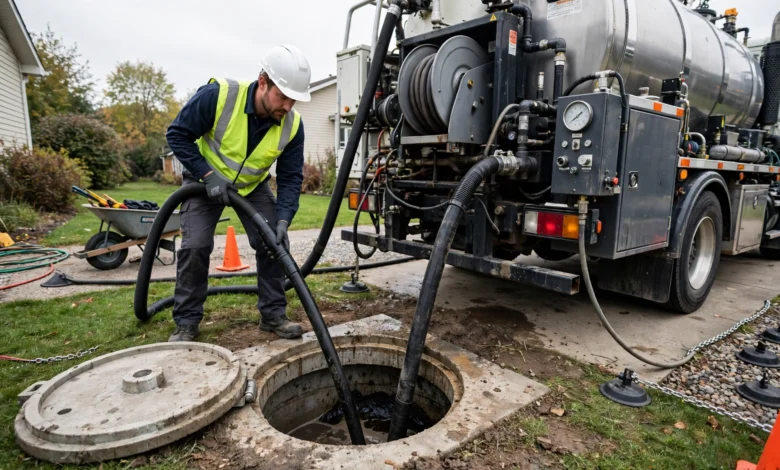
A septic tank holds more than liquid wastewater, and removing everything inside takes specialized equipment. Thick sludge settles along the bottom while grease and floating waste collect near the surface, making ordinary drainage methods ineffective. Professional vacuum trucks use controlled suction to remove these materials, but the pressure, hose placement, and pumping technique all affect how thoroughly the tank gets cleaned.
How Vacuum Trucks Pull Waste Out of a Septic Tank
Vacuum trucks use a pump to lower the air pressure inside a sealed holding tank. This creates a pressure difference between the truck’s tank and the septic tank, allowing atmospheric pressure to push wastewater through the suction hose and into the truck.
Unlike ordinary water pumps, vacuum equipment can handle a mixture of liquids, suspended solids, and semi-solid waste. The truck’s storage tank collects the material for transport to an approved disposal or treatment facility. Operators monitor vacuum levels throughout the process to maintain consistent suction and prevent equipment problems.
Why Sludge Takes More Effort to Remove Than Liquid Waste
Liquid wastewater moves through suction hoses relatively easily, but settled sludge behaves differently. Years of accumulated solids can form dense deposits that resist movement, particularly in tanks that have gone too long without maintenance.
Technicians may use the suction hose to loosen and break apart soft deposits while mixing them with remaining liquid. This process helps thick material flow through the hose instead of staying packed against the tank floor.
Professional septic tank pumping services often involve repositioning the hose several times to reach different areas. Removing the liquid alone would leave behind much of the waste that pumping is intended to eliminate.
Does Stronger Suction Always Mean Better Cleaning?
Higher vacuum pressure does not automatically produce better results. Hose diameter, hose length, waste thickness, and the equipment’s airflow capacity all influence how efficiently material moves through the system.
Excessive suction or poor hose handling can create problems when equipment contacts fragile baffles, aging pipes, or deteriorated tank surfaces. Experienced operators adjust their technique according to tank conditions rather than relying on maximum suction throughout the job.
A properly maintained vacuum truck also needs suitable hoses, secure connections, and working pressure controls. Air leaks reduce suction performance, while hose restrictions can interrupt waste removal even when the vacuum pump operates normally.

Hose Placement Makes a Difference in Cleaning Results
Septic tanks contain separate areas for wastewater entry, settling, and discharge. Many residential tanks have two compartments, with most solids accumulating in the first chamber. Cleaning only the area closest to the access opening may leave considerable sludge behind.
Proper hose placement allows technicians to remove waste from accessible compartments without damaging internal components. A septic pumping company should also account for baffles and compartment walls that prevent solids from flowing directly toward the outlet.
Access openings matter as well. Pumping through a small inspection port may prevent the operator from reaching accumulated material across the tank, making the correct service opening important for thorough cleaning.
Thick Waste and Debris Can Restrict Vacuum Flow
Large objects, hardened deposits, and non-biodegradable materials can interfere with suction. Disposable wipes, hygiene products, and other household waste sometimes collect inside septic tanks instead of breaking down like toilet paper.
Blockages inside the suction hose reduce flow and may require technicians to stop pumping and clear the obstruction. Heavily compacted sludge may also need additional agitation before the vacuum system can remove it effectively.
These problems help explain why delayed maintenance can make septic cleaning more difficult. Longer intervals between pumping allow more solids to accumulate, although actual pumping schedules depend on tank size, occupancy, and wastewater usage.
What Professional Pumping Can and Cannot Fix
Vacuum equipment removes accumulated waste, but it does not repair damaged baffles, cracked tank walls, or failing drain fields. Technicians may identify these conditions after lowering the liquid level and exposing previously submerged components.
An inspection following pumping can reveal excessive wear, damaged connections, and other concerns that deserve attention. Homeowners searching for septic tank service near me benefit from understanding whether a provider performs thorough waste removal and checks accessible tank components.
For homeowners in Huntsville, Alabama, and nearby communities, Cora Environmental offers professional septic tank pumping and related maintenance services. Its services can help remove accumulated sludge and wastewater while giving property owners an opportunity to identify potential septic system problems before they lead to more expensive repairs.