How Texas Weather Changes Pest Activity Throughout the Year
Texas weather affects pest behavior year-round. Learn how rain, heat, drought, and cold fronts influence pests and when seasonal inspections can help prevent problems.
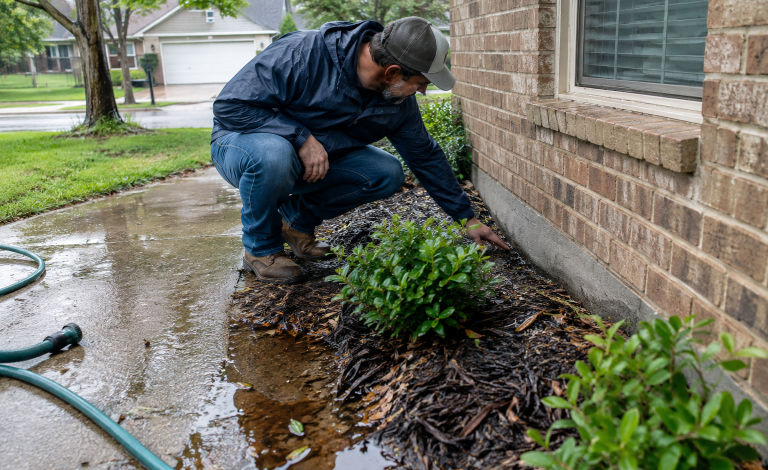
Texas weather can shift quickly from heavy rain to intense heat, long dry spells, and sudden cold fronts. Those changes affect where pests find water, food, and shelter. Homeowners who understand the connection between weather and pest behavior can often spot problems earlier and take practical steps before activity builds. A seasonal inspection plan and support from a local provider such as Romney Pest Control can help address issues that are difficult to identify or control on your own.
There is no single “pest season” in Texas. Some insects become more visible after spring rain, while drought can push ants and rodents toward irrigated yards, plumbing, and indoor food sources. Even winter weather may drive pests into attics, garages, wall voids, and other protected spaces.
Why Weather Changes Pest Activity
Temperature affects insect activity, including feeding, movement, and reproduction. Rain can collect in gutters, containers, low areas, and clogged drains, saturate soil, and disrupt nests, driving pests toward drier shelter. Dry weather may instead make irrigated landscapes, pet bowls, air-conditioning condensate, and plumbing leaks appealing.
Warm conditions can lengthen outdoor pest activity. In June 2026, warm, wet conditions reportedly increased pest concerns in parts of Texas, showing how weather can intensify insect pressure. However, conditions around each home matter most, particularly moisture, vegetation, clutter, and entry gaps.
How Texas Regions Face Different Pest Pressures
Texas is large enough that the calendar alone is not a reliable guide. Houston and coastal communities often contend with prolonged humidity, frequent rain, mosquitoes, termites, cockroaches, and other moisture-associated pests. North Texas homes may see ants, spiders, and rodents become more noticeable during hot, dry periods or after fast-moving weather changes.
Central Texas combines rocky terrain, limestone soil, drought cycles, and sudden storms that can alter pest movement. In South Texas, the long warm season can keep ants, stinging insects, and termites active for much of the year. Watch the weather near your home, not just the season on the calendar.
Spring And Summer Pest Patterns
Spring Triggers
Rising temperatures and spring rainfall often create the first noticeable increase in pest activity. Warmer soil can coincide with ant movement and termite swarming. Rain may fill flowerpots, toys, tarps, gutters, and other items that hold water. New plant growth can also bring garden insects, while open windows and doors provide easy access for flying pests.
Summer Triggers
During periods of high heat, pests often seek shade and reliable moisture. Check around outdoor faucets, irrigation equipment, pet bowls, air-conditioning units, and damp mulch. Outdoor meals and trash can attract flies, wasps, and ants, while dry stretches may bring pests closer to watered lawns and homes.


Fall And Winter Pest Patterns
Cooler weather does not automatically end pest concerns in Texas. Rodents may look for protected spaces in garages, attics, crawl spaces, and wall voids. Spiders can follow insects indoors, and cockroaches can remain active in warm, humid areas around kitchens, bathrooms, appliances, and plumbing. A sudden cold front may prompt pests to move through small cracks around doors, utility lines, vents, and foundations.
Common Pests To Watch
- Ants: Look for trails near kitchens, patios, foundations, pet food, and damp soil.
- Termites: Watch for mud tubes, discarded wings, damaged wood, or swarming insects near windows and lights.
- Mosquitoes: Remove standing water after storms, irrigation, or routine yard watering.
- Cockroaches: Inspect dark, damp areas near drains, plumbing, appliances, and stored cardboard.
- Rodents: Look for droppings, gnaw marks, nesting material, scratching sounds, and rub marks.
- Spiders and stinging insects: Check exterior lights, eaves, porches, sheds, trees, play areas, and garage corners.
A Simple Home Pest Check
A brief monthly walk-through can reveal conditions that encourage pests. Add extra checks after heavy rain, a long dry period, or a major temperature swing.
- Walk the foundation and note cracks, gaps, damaged screens, and openings around pipes.
- Check gutters, downspouts, outdoor containers, and hose connections for standing water or leaks.
- Inspect door sweeps, weather stripping, attic vents, and garage door seals.
- Look beneath sinks and behind appliances for moisture, droppings, or insect activity.
- Check garages, sheds, attics, and storage areas for webs, nesting material, or clutter.
- Trim branches and plants that touch the roof or exterior walls.
A Seasonal Prevention Plan
Before Spring And Summer
- Clear leaves from gutters and drains, repair screens, and remove water-holding items.
- Seal openings around vents, pipes, wiring, and utility lines.
- Store food, pet dishes, and trash in tightly covered containers.
- Keep firewood and dense vegetation away from exterior walls when possible.
Before Fall And Winter
- Repair leaks and inspect the roofline, attic vents, foundation, and garage seal.
- Reduce cardboard, fabric, and unnecessary clutter in storage spaces.
- Move stored items away from walls so signs of rodents or insects are easier to find.
- Continue checking warm indoor areas for cockroaches and rodents.
For a clearer picture of dry conditions in North and Central Texas, homeowners can review regional drought and weather updates before increasing moisture checks around the property.
When To Seek Professional Help
One insect does not always mean there is a large infestation. Repeated sightings in the same area, fresh droppings, visible damage, active nests, or ongoing trails deserve prompt attention. Termite signs, substantial rodent activity, aggressive stinging insects, and pests found near children or pets should be handled carefully. Ask a pest professional how the pest will be identified, which areas will be treated, whether follow-up is needed, and what prevention steps should continue afterward. Always follow product-label directions and keep children and pets away from treated areas as instructed.
Questions Readers May Ask
Does One Cold Front Kill Most Household Pests?
No. A short cold spell can slow outdoor activity, but pests sheltered in soil, wall voids, attics, and warm indoor spaces may survive and remain active.
Why Do Pests Enter Homes After Heavy Rain?
Saturated soil, flooded nests, standing water, and the search for dry shelter can all increase movement toward a structure.
Can A Dry Summer Increase Indoor Pest Problems?
It can. When outdoor moisture is limited, some pests may seek water near irrigated landscaping, plumbing, and shaded areas around the home.
Final Takeaway
The weather does not cause every pest problem, but it can affect when pests become active and where they seek shelter. Sealing gaps, managing moisture, reducing clutter, and checking high-risk areas through every season can prevent small concerns from becoming larger ones.