Classic Sales Outlet in Burlington, WA: A Buyer’s Guide to Dragers International Classic Sales
Discover Dragers International Classic Sales in Burlington, WA, for classic cars, trucks, motorcycles, memorabilia, and collector vehicle insights.
Key Takeaways
- Dragers International Classic Sales gives buyers in Burlington, Washington, a focused place to explore classic cars, trucks, motorcycles, and automotive memorabilia.
- A classic vehicle should be evaluated for more than appearance. Condition, originality, records, mechanical operation, and intended use all matter.
- Vehicle history reports and independent inspections can help buyers identify important questions before completing a purchase.
- Classic vehicle values vary substantially between examples, even when the vehicles share the same make, model, and year.
- The right collector vehicle is one that fits the buyer’s budget, experience, ownership plans, and personal interests.
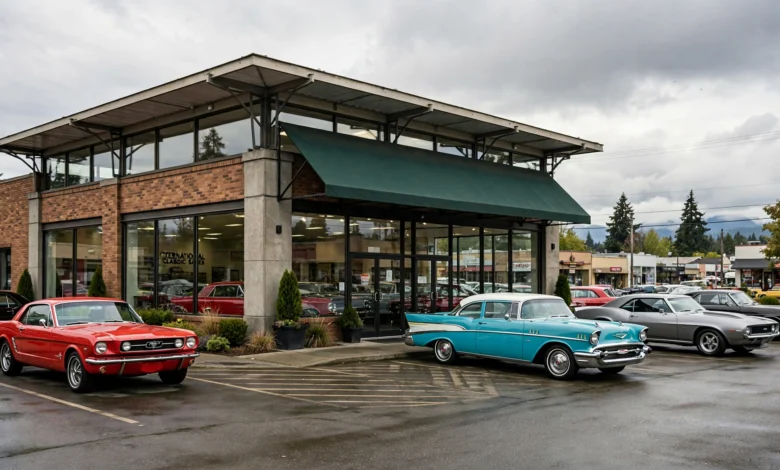
Buyers looking for a classic sales outlet Burlington WA, can begin with Dragers International Classic Sales, a Burlington destination centered on collector vehicles and automotive culture. The business offers an opportunity to consider classic cars, trucks, motorcycles, and memorabilia in a setting designed for enthusiasts and collectors.
A classic purchase deserves a deliberate process. A glossy finish, appealing body style, or famous badge can draw attention, but a smart decision also requires a close look at the vehicle’s structure, mechanical systems, documentation, restoration work, and long-term ownership requirements. Dragers International Classic Sales can help buyers start the conversation with the right questions.
Why Does Dragers International Classic Sales Stand Out in Burlington?
Dragers International Classic Sales specializes in vehicles that appeal to collectors, hobbyists, and drivers who appreciate automotive history. Its Burlington location brings together classic automobiles, trucks, motorcycles, and memorabilia rather than treating older vehicles as a small category within a conventional used-car inventory. That focus provides buyers with a better context for discussions about restoration quality, period details, modifications, originality, and practical ownership.
The facility is also known for its automotive displays and memorabilia, making the visit useful even for buyers who are still narrowing their search. Because vehicle availability changes, contacting the business before traveling is the best way to confirm current inventory and viewing arrangements.
What Types of Vehicles Can Buyers Explore?
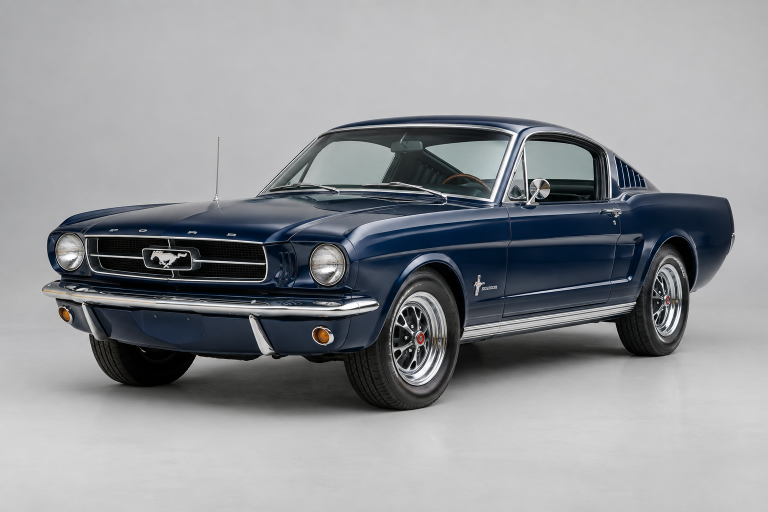
- Classic cars: Buyers can compare original vehicles, restored examples, modified cars, and restomods. The important question is whether the car’s configuration suits the buyer’s goals.
- Classic trucks: Pickups and utility vehicles may appeal to collectors, weekend drivers, or owners who want a distinctive vehicle for events. Rust, frame condition, drivetrain health, and intended use deserve particular attention.
- Classic motorcycles: Motorcycle buyers should ask about storage history, service needs, completeness, originality, and parts availability.
- Automotive memorabilia: Signs, displays, and related pieces can add character to a garage, collection, business space, or event setting.
How Can Buyers Compare Classic Vehicles More Effectively?
Start by identifying the purpose of the purchase. A vehicle intended for regular weekend drives may need different qualities than one acquired for display, a long-term collection, a restoration project, or occasional car-show use. Then compare candidates on the details that directly affect ownership:
- Review the body, chassis, paintwork, trim, interior, and undercarriage.
- Ask what is known about ownership history, restoration work, maintenance, mileage, and modifications.
- Determine whether major components are original, rebuilt, upgraded, or replaced.
- Consider storage, insurance, registration, fuel, repair, and parts costs before setting a final budget.
- Request that promises, agreed repairs, included items, and purchase terms be documented in writing.
What Should Buyers Check Before Purchasing a Classic Vehicle?
Exterior and Structural Condition
Look beyond the paint. Check rocker panels, floor pans, wheel wells, trunk areas, frame components, and lower body sections for corrosion or repair evidence. Uneven panel gaps, bubbling paint, overspray, mismatched finishes, and poorly aligned trim can justify further questions about prior bodywork.
Mechanical Condition
Review the engine, transmission, cooling system, steering, suspension, brakes, tires, exhaust, wiring, and charging system. Ask how the vehicle behaves when cold, whether it reaches normal operating temperature, and whether it has been driven recently. A classic can be attractive and still need meaningful mechanical attention.

Documentation and Authenticity
When available, service records, restoration invoices, photographs, owner documentation, manuals, and title information can help establish a clearer picture of the vehicle. Identification numbers should be reviewed carefully and compared with supporting paperwork. It is wise to distinguish documented facts from details that cannot be independently confirmed.
How Should Buyers Think About Classic Vehicle Value?
Value is influenced by the vehicle’s year, make, model, rarity, condition, specification, originality, restoration quality, provenance, and current demand. Two examples of the same model can command very different prices when one has stronger documentation, better structural condition, or a more desirable configuration.
Buyers should approach appreciation forecasts cautiously. A Tilburg University analysis of approximately 29,000 global auction sales from 1998 through 2017 found that returns differed by classic-car category and were measured before transaction costs were accounted for. Reviewing this market research reinforces a practical lesson: buy a vehicle you understand and want to own, rather than assuming it will produce a guaranteed financial return.
Why Do Vehicle History and Independent Inspection Matter?
A vehicle history report may identify title concerns, reported accidents, salvage information, or ownership changes, but it does not replace an inspection of the actual vehicle. The Federal Trade Commission advises used-car shoppers to obtain a history report, understand whether a vehicle is sold as-is or with a warranty, and arrange an independent mechanical inspection when possible. Its guidance also emphasizes getting important promises in writing.
For a collector vehicle, an independent specialist can provide a useful second opinion on corrosion, drivetrain condition, safety issues, authenticity questions, and expected repair costs. Keep a written record of findings, estimates, the VIN, and the agreed purchase terms.
How Does an In-Person Visit Improve the Buyer Experience?
Photographs are useful, but an in-person visit makes it easier to assess paint depth, panel alignment, interior materials, engine-bay presentation, tire condition, odors, trim fit, and overall stance. Visiting Dragers International Classic Sales also lets buyers compare different vehicle types and see automotive memorabilia firsthand. Ask ahead about appointments, vehicle access, and any planned inspection or test-drive procedures.
How Can Buyers Choose a Vehicle That Fits Their Goals?
- Weekend driving: Prioritize comfort, drivability, braking, cooling, reliability, and manageable maintenance needs.
- Collection building: Consider whether the vehicle adds a new era, body style, marque, story, or level of originality to the collection.
- Restoration: Evaluate project scope, corrosion, missing components, parts availability, and the realistic cost of completion.
- Display and events: Focus on visual impact, presentation, historical interest, and the vehicle’s fit with the intended setting.
Conclusion
Dragers International Classic Sales offers Burlington buyers a focused place to explore classic cars, trucks, motorcycles, and automotive memorabilia. A rewarding purchase begins with enthusiasm and continues with a careful review of condition, records, mechanical needs, value, and intended use. By taking the time to ask informed questions and arrange appropriate inspections, buyers can choose a classic vehicle with greater confidence.