Comprehensive Guide to Buying a Home in Bar Harbor, Maine
Buying a home in Bar Harbor, Maine? Get trusted guidance on local neighborhoods, market trends, and expert real estate services for a smooth purchase.
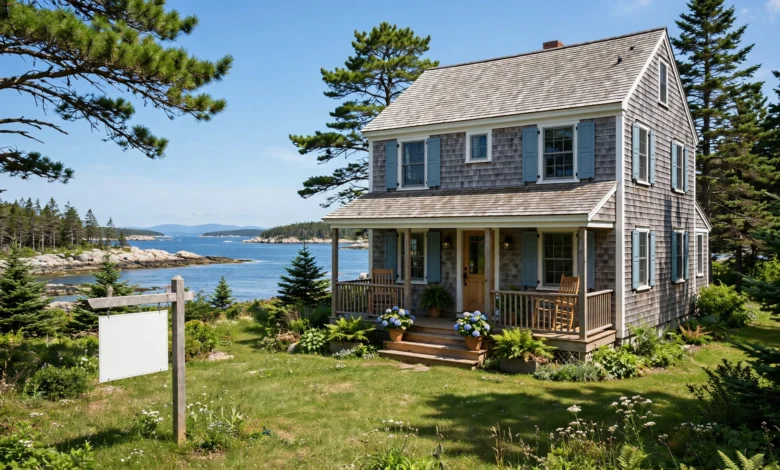
Bar Harbor, Maine, is a picturesque coastal town that offers a unique blend of natural beauty, rich history, and a vibrant community. Nestled on Mount Desert Island, it serves as the gateway to Acadia National Park, attracting both tourists and prospective homeowners alike. If you’re considering purchasing a home in this charming locale, here’s a comprehensive guide to help you navigate the process.
Partnering with a local expert can provide invaluable insights and guidance. For instance, Bar Harbor ME real estate expert Steven Shelton of Acadia Realty Team offers deep local knowledge and a personalized approach to help clients find their ideal property. With extensive experience in the area, Steven can assist with everything from identifying suitable neighborhoods to understanding local regulations and market trends.
Understanding the Bar Harbor Appeal
Bar Harbor’s allure lies in its stunning coastal scenery, rugged mountains, and a tight-knit community. The town boasts a walkable downtown area filled with local shops, restaurants, and cultural attractions. Additionally, its proximity to Acadia National Park provides residents with year-round access to outdoor activities.
Beyond just the appealing landscape and vibrant downtown culture, Bar Harbor offers a unique blend of small-town hospitality and cosmopolitan flair. The community is known for hosting a variety of annual events, such as the Bar Harbor Music Festival and Fourth of July celebrations, which foster a sense of unity and tradition among residents. For those who appreciate art, history, and community gatherings, Bar Harbor’s calendar is full of farmers markets, art exhibitions, and public lectures, creating an environment where both new arrivals and longtime residents feel welcomed and engaged.
Assessing the Housing Market
A mix of historic homes, modern builds, and waterfront properties characterizes the real estate market in Bar Harbor. As of May 2026, the median listing price was $775,000, with an average price per square foot of $479. The market has seen a 3.47% increase in median listing prices over the past year, indicating steady growth. However, inventory is limited, with only 38 active listings reported, a 10% decrease from the previous year.
Understanding market trends is vital for buyers who want to make a smart investment. With inventory numbers fluctuating due to both demand and Bar Harbor’s limited size, competition can become intense, especially in popular neighborhoods or for well-maintained historical homes. Prospective buyers are encouraged to act quickly when they identify a property that meets their criteria, and having pre-approval for financing can be a significant advantage. While the market favors sellers on pricing, buyers with patience and a local agent’s assistance can uncover hidden gems, such as properties just outside the main tourist areas or homes in need of cosmetic updates that can be transformed into dream residences.
Choosing the Right Neighborhood
Bar Harbor offers diverse neighborhoods, each with its own unique charm:
- Downtown Bar Harbor: Ideal for those seeking proximity to shops, dining, and cultural events. Homes here are often historic and within walking distance to amenities.
- Salisbury Cove: Located north of downtown, this area offers a quieter atmosphere with a mix of traditional homes and waterfront properties.
- Hulls Cove: Just outside of town, known for its classic coastal homes and easy access to Acadia National Park.
- Town Hill and the Western Side: More rural and secluded, offering larger lots and a peaceful environment, perfect for those seeking privacy.
Each area caters to different lifestyles, whether you are searching for the lively pace of downtown or the tranquility of the island’s outer edges. Families might prioritize neighborhoods with access to quality schools and parks, while retirees may prefer the quieter settings of Salisbury Cove or Town Hill. Nature enthusiasts frequently gravitate towards properties bordering the park for direct trail access and scenic views. It’s worthwhile to spend time exploring the neighborhoods at various times of day to get a true feel for the community and its rhythms.
Considering Seasonal Factors
Maine’s four-season climate significantly impacts homeownership in Bar Harbor. Winters can be harsh, necessitating proper winterization of properties. If you plan to use your home seasonally, consider factors such as insulation, heating systems, and road access during snow and ice conditions. Additionally, hiring local caretakers or property management services can be beneficial during the off-season.

Spring and summer, by contrast, bring a burst of vibrancy and opportunity for outdoor recreation. Properties with porches, gardens, or waterfront access become especially attractive, and local events and farmers’ markets abound. Fall foliage draws tourists and residents alike into the national park, creating a festive atmosphere. Those owning property here should also keep flood insurance and hurricane preparedness in mind, as coastal areas are prone to storms and tidal surges. Understanding the seasonal ebb and flow not only helps with property maintenance but also informs your choices about home features and location.
Understanding Rental Regulations
Bar Harbor’s popularity as a tourist destination makes it attractive for short-term rental investments. However, the town has strict regulations on how properties can be rented, including a cap on the number of rental permits issued annually and an annual permit renewal process. Before purchasing, ensure you understand local ordinances, zoning requirements, and occupancy limits.
For those interested in supplementing their investment with rental income, it’s essential to note that Bar Harbor’s authorities closely monitor compliance. Newer ordinances often include noise restrictions, parking requirements, and safety inspections, designed to balance residents’ needs with those of tourists. Prospective landlords should stay up to date on current local legislative changes that may affect their rental plans, and it’s often a good idea to join local property owner associations for networking and information sharing on best practices and policy changes.
Financing and Closing the Deal
Financing a home in Bar Harbor follows general Maine real estate protocols, but working with local lenders can offer distinct advantages, given their familiarity with unique property types such as seasonal cottages or homes with historical status. Local mortgage lenders can also advise on state and municipal programs for first-time buyers, energy-efficient upgrades, or historic restoration incentives. As the closing process nears, expect standard due diligence, such as inspections and title searches, but also be prepared for additional reviews for waterfront or conservation properties where deed restrictions or easements may apply.
Final Tips for a Smooth Transition
Moving to Bar Harbor is more than a real estate transaction; it’s a lifestyle choice. Prioritize connecting with the community before you purchase by attending local events or reaching out to neighborhood associations. Familiarize yourself with waste management, water, and septic systems (especially if you’re buying in a more rural section of the island), and available emergency services. This holistic approach ensures you’re well-prepared for homeownership and integration into one of Maine’s most treasured communities.
Conclusion
Purchasing a home in Bar Harbor, ME, offers the opportunity to become part of a vibrant community set against a backdrop of natural beauty. By understanding the local market, considering seasonal factors, and working with knowledgeable professionals, you can make informed decisions and find a home that suits your needs and lifestyle.