How to Compare Neighborhood Fit Before Buying a Home in Los Altos, California
Find Los Altos homes for sale and compare neighborhoods, commute times, parking, outdoor space, and everyday convenience to find the right home for your needs.
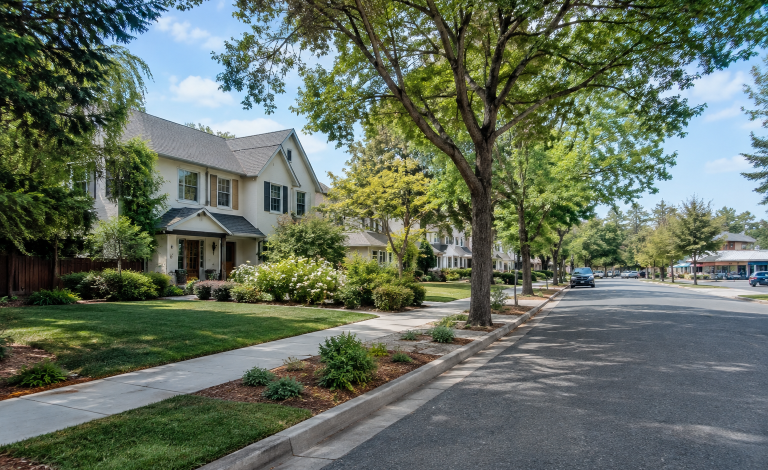
Buying a home in Los Altos is also a decision about how an ordinary weekday will feel. A well-designed house can lose its appeal if the drive to work is frustrating, parking is difficult, the outdoor space does not meet the household’s needs, or basic errands take longer than expected. The right fit comes from comparing the home, the block, and the surrounding routine together.
As you begin narrowing your options, reviewing Los Altos homes for sale through The Campi Group can provide useful property-level context for your neighborhood research. The Campi Group is a Los Altos-based real estate team whose listings page features local single-family homes, condominiums, and townhomes, and it also serves nearby Silicon Valley communities such as Palo Alto and Los Altos Hills. Use listings as a starting point, then test whether each location supports the way you actually live.
Define Your Priorities Before Touring Homes
Create a short written list before a particular kitchen, view, or backyard starts driving the decision. Begin with a realistic purchase limit and a monthly housing budget that includes more than the mortgage payment. Then separate nonnegotiable needs from preferences that can change.
- Required bedrooms, bathrooms, parking spaces, and work-from-home areas.
- Preference for privacy, walkability, a larger lot, or proximity to downtown Los Altos.
- Access to parks, trails, shops, childcare, medical care, or public transportation.
- Future needs involving children, guests, aging relatives, hobbies, or remote work.
- Comfort with upkeep, renovation projects, shared walls, or homeowners’ association rules.
This list gives buyers a way to compare homes fairly when one property offers more space, and another offers a more convenient setting.
Compare the Full Cost of Living
The asking price is only one part of ownership. Estimate property taxes, homeowners’ insurance, utilities, landscaping, repairs, and routine maintenance. For condominiums and townhomes, review monthly association dues, reserve information, rules, and the possibility of future special assessments. The Consumer Financial Protection Bureau’s homebuying tools for mortgage and closing decisions can help buyers account for loan options and closing costs before making an offer.
Consider a simple comparison: a less expensive home may appear to save money, but a longer commute can add fuel, tolls, parking costs, vehicle wear, and hours of weekly travel. Likewise, an older home with a large yard may provide charm and flexibility, yet need near-term work on systems, drainage, roofing, trees, or landscaping. Ask for estimates that reflect the specific property, not just broad assumptions about the area.
Test the Commute at Realistic Times
A quiet weekend drive rarely reflects weekday conditions. Test likely routes in the morning and evening, including connections to work, schools, grocery stores, healthcare, and frequent activities. Pay attention to school drop-off traffic, busy intersections, highway entrances, rail crossings, and routes that may become congested during peak hours.
Hybrid workers may be willing to trade a longer trip for more indoor or outdoor space. Buyers who commute most weekdays may place greater value on route reliability, nearby transit options, or a location that reduces the number of car trips required for daily errands.


Research Schools by Exact Address
School assignments should be verified for the exact property, not inferred from a neighborhood name or an online map. Confirm elementary, middle, and high school attendance boundaries directly with the appropriate district. Also review enrollment procedures, transfer policies, transportation, calendars, before-school and after-school care, support services, and activities that matter to your household.
Online ratings can be one research input, but they do not replace a review of current district information or a conversation with families who understand the day-to-day experience. If schools are a primary factor, check for proposed changes to boundaries, enrollment, or facilities before treating an assignment as permanent.
Look Beyond the Interior
The block can shape long-term satisfaction just as much as the floor plan. During visits, assess street width, sidewalks, lighting, driveway access, on-street parking, lot setbacks, mature trees, and privacy between homes. Listen for traffic, nearby commercial activity, school events, trains, aircraft, construction, or other recurring noise.
Visit more than once a day. A weekday morning may reveal school traffic, an evening visit may show parking demand and neighborhood activity, and a weekend visit can help you understand recreation patterns and nearby gathering places. In Los Altos, a location near downtown, local parks, or open-space access may be highly appealing, but the best setting depends on how often you expect to use those amenities.
Compare Property Types and Future Flexibility
Match the Home to the Lifestyle
- Single-family homes can offer more privacy, yard space, and control over improvements, while placing more maintenance responsibility on the owner.
- Townhomes may balance private living areas with shared maintenance responsibilities.
- Condominiums can reduce exterior upkeep, but buyers should understand association dues, rules, and financial documents.
- Older homes may have established landscaping or distinctive design, but inspections are especially important when systems and finishes are aging.
- Newer homes may have modern layouts and systems, although lot size, price, and neighborhood character can differ from older areas.
Consider whether the property could still serve you if circumstances change. A detached office, an addition, a pool, or an accessory dwelling unit may sound valuable, but zoning, setbacks, permits, utility capacity, and association restrictions should be reviewed before any of these possibilities influence the offer price.
Review Risk, Insurance, and Local Conditions
Read disclosures carefully and investigate factors that could affect safety, maintenance, insurance, or resale. Depending on the property, this may include flood exposure, drainage patterns, wildfire considerations, seismic conditions, retaining walls, hillside features, large trees, and proximity to busy transportation corridors. Speak with a qualified insurance professional about availability, deductibles, exclusions, and the coverage appropriate for the property.
Also ask about any planned roadwork, transit changes, development proposals, and construction in the area. These projects can alter access, noise, views, or the character of a block. The goal is not to avoid every uncertainty, but to understand the conditions before committing.
Use Market Data as a Guide, Not a Verdict
Compare recent sales that are genuinely similar in location, lot size, condition, age, and property type. Look at active competition, days on market, price changes, and sale-to-list patterns, but avoid treating citywide averages as a precise value for one home. A quiet cul-de-sac, a busy road, a remodeled interior, or a larger usable yard can make two nearby properties materially different.
Build a Neighborhood Scorecard
Use a simple one-to-five score for each neighborhood or property under consideration. Give the most weight to the items that will affect daily life.
- Commute convenience and access to frequent destinations.
- School fit and childcare options.
- Privacy, noise, parking, and street conditions.
- Walkability, services, parks, and outdoor access.
- Ownership costs, maintenance demands, and insurance considerations.
- Potential for future renovations or changing household needs.
Make the Decision for an Ordinary Weekday
The strongest Los Altos home choice is not always the largest house or the most polished listing. It is the property and neighborhood that remain practical after the excitement of touring fades. Compare costs, routes, schools, local conditions, and future flexibility. Then revisit the leading options, update your scorecard after inspections and disclosures, and choose the place that makes the most sense for everyday life.