A Seasonal Pest Prevention Checklist for Homes and Small Businesses
Prevent pests with seasonal property care, moisture control, repairs, and qualified pest control services to reduce infestations in homes and businesses.
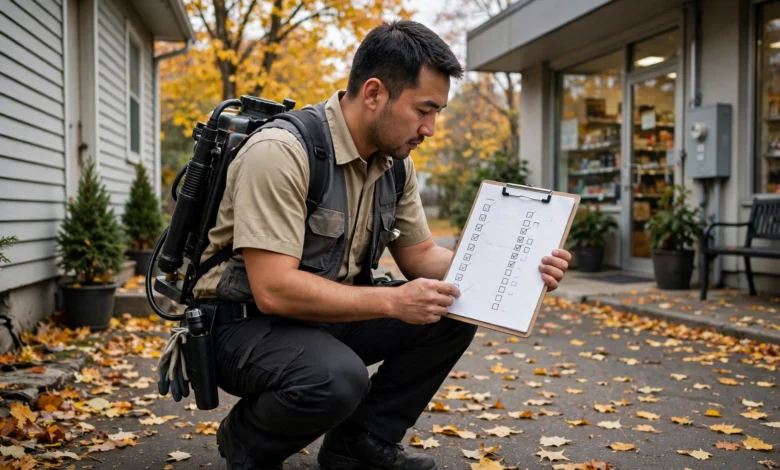
Pest prevention is most effective when it becomes part of regular property care, not a reaction to an unexpected sighting. Whether you manage a home, rental property, office, shop, or restaurant, small steps involving cleanup, repairs, and moisture control can make the building less appealing to insects and rodents. When routine prevention is not enough, qualified pest control services can help identify the source of persistent activity and recommend an appropriate plan.
This seasonal checklist provides a practical way to inspect the areas pests use for food, water, shelter, and entry. Local weather and building conditions still matter, so use it as a guide, then adjust your schedule when you notice moisture problems, construction changes, landscaping growth, or recurring pest signs.
Why Seasonal Prevention Matters
Pest pressure changes throughout the year because temperature, rainfall, humidity, vegetation, and available food sources all change. A few crumbs near a cabinet, a slow plumbing leak, or a gap below a door may seem minor, but those conditions can support a larger problem over time. A prevention-first approach works best: monitor what you see, correct conditions that attract pests, seal access points, and use targeted control only when needed. The integrated pest management principles used by the EPA emphasize prevention, accurate identification, and lower-risk control options.
How Weather Affects Pest Activity
Spring rain can bring ants, termites, and mosquitoes closer to buildings, especially where drainage is poor. Summer heat increases activity around garbage, outdoor food, pet bowls, gardens, and standing water. In the fall, cooler nights often drive rodents and other pests toward warm interior spaces. Mild winter periods can keep certain insects active longer than expected. A seasonal calendar is useful, but regular inspections remain more reliable than assuming a pest is inactive.
Spring Pest Prevention Checklist
- Inspect the foundation, siding, and utility penetrations for cracks or openings.
- Repair torn window screens, worn door sweeps, and gaps along garage doors.
- Clean gutters and direct downspouts away from the foundation.
- Check beneath sinks, behind appliances, and along basement walls for leaks or dampness.
- Trim shrubs and branches so they do not rest against siding, windows, or the roof.
- Move firewood, cardboard, and yard debris away from exterior walls.
- Watch for mud tubes, winged insects, wood damage, or sawdust-like debris.
Summer Pest Prevention Checklist
Outdoor meals, open recycling, sugary spills, pet food, and overflowing bins can quickly attract flies, ants, wasps, and other insects. Seal food, rinse containers before recycling, and clean grills and patios after use. Inspect sheds, play areas, deck rails, garden borders, and eaves for developing nests. Avoid handling active stinging-insect nests near doors or occupied areas.
Mosquito prevention should be a weekly habit during warm, wet periods. The CDC advises people to empty and scrub, turn over, cover, or throw out items that hold water, including buckets, planters, toys, birdbaths, pool covers, and flowerpot saucers. Also, clear clogged gutters and correct low spots that hold water near the structure.

Fall Pest Prevention Checklist
Fall is the time to prepare for pests seeking indoor shelter. Seal openings around pipes, cables, vents, and utility lines, then replace loose weather stripping around doors and windows. Inspect attics, crawl spaces, basements, garages, and storage rooms for droppings, nesting material, gnaw marks, or damaged insulation. Keep stored boxes off damp floors and away from walls. Check firewood, decorations, and stored furniture before bringing them inside, and avoid piling leaves, mulch, or grass clippings against the foundation.
Winter Pest Prevention Checklist
Rodents may enter buildings in winter for warmth, nesting material, and dependable food. Focus inspections on quiet areas, including utility rooms, ceiling spaces, wall voids, pantries, and rarely used storage areas. Store dry goods in tightly sealed containers, reduce clutter, and fix dripping pipes or condensation around windows and ducts. Scratching noises, droppings, greasy rub marks, gnawed packaging, and unusual odors all justify a closer inspection.

Indoor And Outdoor Prevention Steps
Indoor priorities
- Kitchen: Wipe spills promptly, remove crumbs, empty trash often, and inspect cabinet corners.
- Bathroom: Repair leaks, dry wet surfaces, and seal gaps around plumbing lines.
- Basement and garage: Reduce dampness, limit cardboard storage, and keep items elevated when possible.
- Attic and living areas: Check vents, insulation, pet bedding, upholstery, and items recently brought indoors.
Outdoor priorities
- Keep garbage and recycling lids closed securely.
- Store birdseed, pet food, and grill supplies in sealed containers.
- Trim vegetation around doors, windows, vents, and air-conditioning equipment.
- Inspect decks, fences, sheds, retaining walls, and damaged wood for gaps and moisture.
- Improve drainage where water repeatedly collects near the building.
How Homes And Businesses Differ
Homes often face pest issues connected to pets, gardens, family meals, and storage habits. Small businesses may have additional pressure around loading docks, dumpsters, employee break rooms, delivery areas, kitchens, stockrooms, and customer entrances. Written inspection records are particularly valuable in commercial settings because they reveal repeat problem areas and show whether repairs were completed.
A short checklist for managers
- Review pest sightings with staff and record the location and date.
- Assign responsibility for trash removal, cleanup, and leak reporting.
- Inspect deliveries, stored goods, and packaging before they enter storage areas.
- Track recurring moisture, waste, or structural issues until they are resolved.
- Document repairs, sanitation efforts, and follow-up inspections.
When To Seek Professional Help
Professional assistance may be appropriate when pest activity continues after cleaning and repair work, sightings occur in several rooms, rodents are entering wall or ceiling spaces, or stinging insects nest near high-traffic areas. Prompt evaluation is also important when you see termite-like signs, including mud tubes or damaged wood, or when a business needs documentation for safety or inspection requirements. Acting early can reduce disruption, property damage, and unnecessary treatment.
Final Takeaway
Seasonal pest prevention is a routine of inspection, sanitation, moisture management, and basic maintenance. Check vulnerable areas each season, repair small gaps before they become entry routes, and respond quickly when signs appear. Consistent habits can prevent many common pest problems before they become more difficult to manage.