How to Build a Family Game Room for All Ages in 2026
Create a family game room with arcade machines, pinball, Skee-Ball, and board games designed for shared entertainment, comfort, and lasting memories.
Key Takeaways
- Plan the game room around your family’s needs and activities.
- Include games for different ages and skill levels.
- Keep the space comfortable, organized, and easy to use.
- Black Hills Billiards offers arcade and game room solutions for families across the Black Hills region.
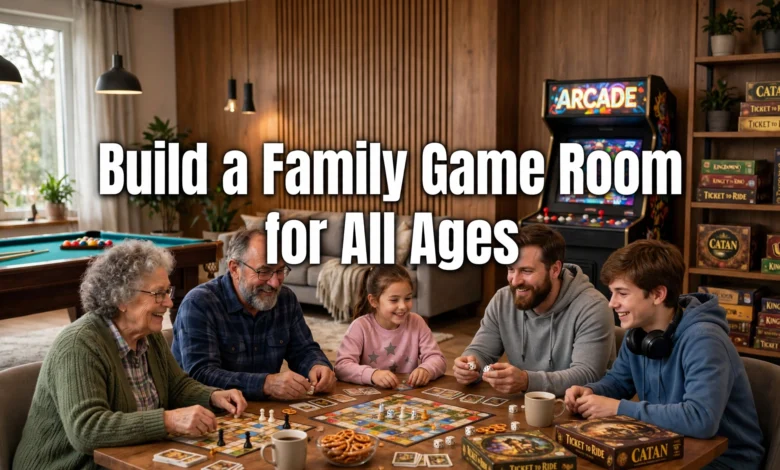
A family game room should make it easy for people to spend time together, whether that means a quick card game after dinner, a weekend tournament, or a relaxed place for guests to gather. The best spaces are not packed with every possible game. They are planned around the people who will use them and the kinds of moments the family wants to create. For households considering an arcade centerpiece, multi-arcade games Rapid City, SD can be a practical option to compare. Black Hills Billiards, based in Spearfish, offers arcade-style machines, board games, pinball, Skee-Ball, and multicade options for families throughout the Black Hills and surrounding areas of South Dakota, Wyoming, Montana, North Dakota, and Nebraska. Its experience helping customers select game room equipment and arrange local delivery makes the company a useful regional resource when planning a game room that suits more than one generation.
Start With How the Room Will Be Used
Before measuring furniture or shopping for equipment, think about everyday habits. Ask who will use the room most often, how many people may gather there, and whether the space needs to support parties, family game nights, quiet play, or all three. A room built around real routines is more likely to stay active than one filled with impressive but rarely used equipment.
Choose a Layout That Leaves Room to Move
Measure the entire room, then map doors, windows, outlets, vents, and ceiling features. Large tables need more than floor space because players need room to stand, pull out chairs, swing cues, or move around opponents. Keep clear walking paths between activity zones, and place seating where guests can talk and watch without interrupting play. In a smaller room, movable stools, nesting tables, and a foldaway tabletop can make one area serve several purposes.
Mix Games With Different Skill Levels
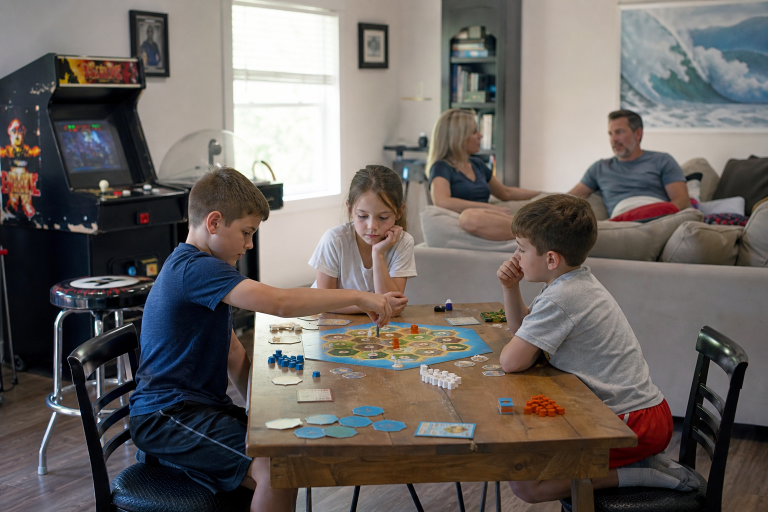
A strong game room includes options for beginners, experienced players, active competitors, and people who prefer a quieter pace. A recreation room can combine tabletop games, video games, and classic game tables, but the key is balance rather than quantity.
- Choose simple games that younger children and first-time guests can understand quickly.
- Add skill-based activities that give teens and adults a reason to keep practicing.
- Include cooperative or turn-based games so different ages can participate together.
- Keep a few card games, puzzles, or board games available for lower-energy gatherings.
Plan for Safety Without Making the Room Feel Clinical
Safety features should blend into the design. Secure tall cabinets and heavy furniture to the wall, route cords away from walkways, and place non-slip mats where active games may create quick movement. Rounded furniture edges are helpful when young children use the space. Store darts, small pieces, and fragile accessories in closed storage, with adult supervision of access. Good lighting and clear sight lines also make it easier for everyone to move confidently around the room.
Use Lighting to Set the Mood and Improve Play
Layered lighting helps the room work during the day and at night. Use bright, even overhead light for board games, scorekeeping, and cleanup. Add focused lighting over game surfaces, such as a table or card station. Softer lamps near a sofa or chairs make the room feel more comfortable for conversation. Position screens carefully and use shades or dimmers to reduce glare during digital play.
Add Storage That Makes Cleanup Easy
Organization is easier when every item has a designated home. Use open shelves for games played often, labeled bins for small parts, and cabinets for equipment that needs protection. Keep child-friendly games at a safe, reachable height. Reserve a specific spot for controllers, cards, paddles, cues, score pads, and replacement batteries. Leave a little unused storage space so new games do not immediately create clutter.

Build Around One Main Feature
A central feature gives the room a purpose and simplifies design choices. It might be a pool table, an arcade cabinet, a tabletop game station, a media setup, or a comfortable gathering area. Once that feature is selected, arrange lighting, storage, seating, and open floor space around it. This approach prevents the room from feeling crowded or visually scattered.
Make the Room Comfortable for Spectators
Not everyone wants to play every round, so plan for people who want to watch, chat, or wait for a turn. Add a sofa, chairs, or stools that do not block play zones. Small side tables give guests a place for snacks and drinks, while durable, easy-to-clean fabrics make the room more forgiving. Comfortable spectator seating also keeps the game room social instead of overly competitive.
Choose Furniture That Can Change With the Family
Families need to change over time. Modular seating, storage benches, folding tables, and lightweight stools can help the room adapt as children grow, hobbies shift, or entertaining needs expand. Choose pieces that can be moved without a major rearrangement. Flexible furniture is especially valuable in bonus rooms, basements, and shared living areas that must serve multiple purposes.
Set a Realistic Budget
Divide the budget into equipment, furniture, lighting, storage, flooring, accessories, delivery, installation, and future maintenance. Buy the pieces that are likely to be used most first, then add secondary games in phases. A lower upfront price is not always the better value if an item is difficult to repair, uncomfortable to use, or unlikely to last through regular family gatherings.
Create Simple House Rules
- Use each game and piece of equipment as intended.
- Keep food and drinks away from sensitive surfaces and electronics.
- Return accessories to storage after every session.
- Explain game rules and safety expectations to younger players before starting.
- Keep competition welcoming, respectful, and inclusive.
Common Questions About Family Game Rooms
How Much Space Does a Family Game Room Need?
The answer depends on the activities, the number of players, the seating, and the required movement during each game. Measure the full play area, not only the footprint of a table or cabinet.
What Games Work Best for Mixed Ages?
A combination of easy tabletop games, cooperative options, classic skill games, and activities that allow players to take turns usually works best.
Should a Game Room Include a Television?
A television can support video games, movies, and sports viewing, but it should not dominate the room if face-to-face games and conversation are the main goals.
How Can a Small Room Still Feel Fun?
Use wall storage, limited but well-chosen games, foldable furniture, and movable seating. A small room can feel more inviting than a large room that is overcrowded.
A Simple Planning Checklist
- Measure the room and map walking paths.
- List the main users and preferred activities.
- Choose one central feature.
- Plan power access, lighting, storage, and seating.
- Set a budget that includes setup and accessories.
- Review the design before making major purchases.
Conclusion
The best family game room is not the one with the most equipment. It is the one that makes people want to stay, play, talk, and come back. With thoughtful layout, flexible furnishings, safe storage, and games that welcome every skill level, nearly any spare room or shared living space can become a favorite gathering place. Prioritizing comfort, accessibility, and easy organization helps the room remain functional as family needs change over time. A balanced mix of active, tabletop, and digital entertainment encourages everyone to participate, regardless of age or experience. By designing the space around shared experiences rather than expensive features, homeowners can create a welcoming environment that fosters quality time, strengthens family connections, and provides lasting enjoyment for everyday relaxation, celebrations, and memorable game nights.