Kaleidoscopes as Art: A Window into Imagination
Explore the beauty of luxury kaleidoscopes, where art and craftsmanship meet. Discover stunning designs that transform simple visuals into mesmerizing works.
Key Takeaways:
- Kaleidoscopes have evolved from simple toys to intricate art forms.
- Artists worldwide are pushing the boundaries of kaleidoscope design.
- Engaging with kaleidoscopes can inspire creativity and provide therapeutic benefits.
History of Kaleidoscopes
Few objects excite the imagination quite like the kaleidoscope. Invented by Sir David Brewster in 1816, it was originally designed as a scientific tool for exploring light reflection. The name itself is rooted in Greek: “kalos” for beautiful, “eidos” for form, and “skopeo” meaning to look, aptly describing the experience of gazing at the shifting mosaics within. Over the decades, what began as a means of optical study soon became popular, delighting both adults and children as a playful parlor amusement.
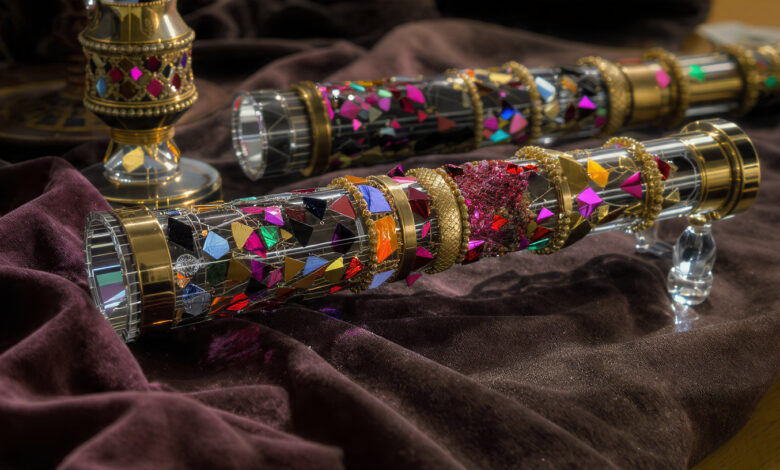
Today, the kaleidoscope world is as diverse as it is beautiful. Collectors and newcomers alike are enchanted by premium pieces, such as luxury kaleidoscopes, which showcase the artistry and craftsmanship that elevate these whimsical gadgets far beyond their humble origins. As the medium has matured, skilled artisans worldwide have developed new approaches and materials, leading to stunning works of art that often boggle the senses.
Kaleidoscopes in Modern Art
In modern contexts, kaleidoscopes have taken on a new role within the art world, no longer merely objects of curiosity. Many contemporary artists have embraced the kaleidoscope as a canvas for their unique vision. Major exhibitions, such as “Kaleidoscopes: 200 Years” at the Mansion at Strathmore, demonstrate how creators transform these simple devices into intricate works of art. Patrons are invited to experience the shifting mandalas firsthand, exploring an interaction between viewer and piece that is both mesmerizing and deeply personal. This hands-on engagement fosters a connection to imagination unmatched by traditional artwork.
What sets these artistic kaleidoscopes apart is not just their external beauty, but the intricate play of color and light within. Combinations of glass, polished metal, gemstones, and even digital screens have all been deployed to dramatic effect. The kaleidoscope’s dynamic nature speaks to the ever-changing nature of creativity itself: every glance through its lens offers a new surprise, a different story.
As exhibitions and fairs continue to shine a light on the medium, more people recognize kaleidoscopes not only as delightful novelties or educational tools, but as a legitimate art form capable of evoking emotion and wonder. Whether displayed in contemporary art museums or celebrated in specialty galleries, they serve as a testament to how imagination can animate even the simplest mechanisms and materials.
Among those who have elevated the medium, a handful of artists stand out for their dedication and innovation. Charles Karadimos, for instance, is renowned for his devotion to glass kaleidoscopes. Since 1980, he has mastered techniques that produce both elegant exteriors and breathtaking internal images. His philosophy remains that, while the craft outside attracts attention, “the interior image is really what makes a kaleidoscope a kaleidoscope.”
Other Influential Artists
Judith Paul and Tom Durden have made their mark by designing kaleidoscopes that blend antique charm with contemporary flair, often incorporating vibrant color palettes and new geometric frameworks. Their collaborative approach brings fresh perspectives to a classic form.


Japanese artist Masako Yamamoto bridges the gap between tradition and innovation, using washi paper, precious metals, and hand-painted designs to imbue her kaleidoscopes with a sense of delicate, almost ephemeral beauty. These artists, and many others, prove that the kaleidoscope can offer as much artistic depth and philosophical intrigue as any other creative medium.
Therapeutic Benefits of Kaleidoscopes
Beyond their stunning visuals, kaleidoscopes offer unique therapeutic value. The act of slowly rotating a kaleidoscope and watching as patterns transform can foster mindfulness, helping users focus on the present moment and calm their thoughts. This mindful activity is sometimes included in educational and wellness programs to encourage relaxation and reduce anxiety.
Symmetrical, colorful patterns have been shown to foster creative inspiration. Some therapists suggest that simply spending a few quiet minutes with a kaleidoscope can stimulate imagination, encourage visual thinking, and promote fresh ideas. Whether used as a meditative aid, a creative spark, or a stress-reduction tool, kaleidoscopes offer benefits that go beyond mere visual delight.
Creating Your Own Kaleidoscope
For individuals eager to take a more active role, creating a custom kaleidoscope can be deeply rewarding. It invites personal expression at every stage, from choosing materials to arranging mirrors and selecting decorative elements. Kits and tutorials are widely available online and in specialty stores, making this hands-on craft accessible to anyone interested in exploring it.
The process not only builds an understanding of the science behind reflection and optics but also fosters a new appreciation for the magic that results from combining creativity and technique. Handmade kaleidoscopes often become cherished keepsakes, uniquely reflective of the maker’s personality and sense of wonder.
Conclusion
Kaleidoscopes have come a long way since their invention in the early nineteenth century. Today, they exist at the intersection of science, art, and mindfulness, enchanting all who peer through their lenses. Whether you purchase a finely crafted art piece or build your own, engaging with kaleidoscopes provides a gateway to imagination and calm—a small window into the boundless beauty of changing forms.