Books as Catalysts for Conversation and Change
Discover how books inspire conversations, challenge beliefs, and drive social change by exploring human experiences, ideas, and powerful narratives.
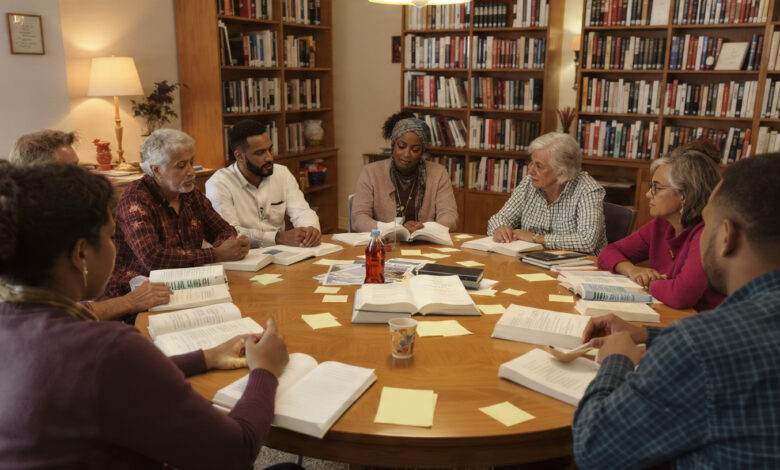
Books have been essential for sparking meaningful conversations and driving important changes throughout society. Their compelling narratives and thought-provoking ideas inspire individuals and communities alike. By examining the intricate complexities of the human experience, literature encourages readers to question norms, challenge beliefs, and envision better futures. Powerful works like Teach Me How to Die invite us to confront difficult topics and begin conversations about life, mortality, and transformation.
From ancient epics to contemporary novels, stories often serve as mirrors to society’s struggles and aspirations. Books can quickly become rallying points for dialogue and social movements as they illuminate injustices and offer new perspectives. Whether by presenting untold histories, traditional values, or radical ideas, the written word remains a bridge between diverse viewpoints and generations.
Modern readers are engaged like never before, harnessing the power of literature to advocate for change and promote understanding. As texts circulate around the globe, their influence on public discourse grows ever stronger, offering new avenues for empathy, reflection, and collective action.
Literature also extends its reach through art, education, community groups, and digital platforms, demonstrating its adaptability and continued relevance across time and cultures.
Historical Impact of Literature
Literature has consistently played a defining role in forming the values, attitudes, and actions of societies. During pivotal moments in history, books have shifted entire cultures. For example, in the 1950s, children’s books like “The Snowy Day” by Ezra Jack Keats broke ground with its celebration of diversity and urban life, subtly advocating for civil rights and integration. Such narratives quietly prepared new generations to be more accepting and open-minded. The stories of the past, whether through classic works or banned books, demonstrate the enduring connection between literature and the progress of society.
Contemporary Works Igniting Discussion
The contemporary literary landscape is vibrant with voices that challenge, disrupt, and invite debate. Claudia Rankine’s “Just Us: An American Conversation” uses essays and poetry to urge readers into honest dialogue about race and privilege. Such works address pressing themes, such as justice, identity, and trauma, and ask audiences to reflect, reconsider, and discuss. Authors like Rankine demonstrate the power of literature to influence “kitchen table conversations” and broader policy debates. Modern novels and memoirs frequently ignite discussions in classrooms, book clubs, and digital forums, ensuring continued relevance.
Artists’ Books as Agents of Change
Innovative formats like artists’ books blend visual art and narrative, opening new channels for social commentary. These works are often handmade or limited edition, combining tactile experiences with deeply personal perspectives. By weaving together words and images, artists’ books challenge conventions and reach audiences inaccessible to mainstream publishing. They provide unique opportunities for marginalized communities to tell their stories using both art and text. This interdisciplinary approach expands the definition of literature and highlights the many ways books can initiate challenging yet necessary conversations.
Literature in Educational Settings
Diverse books in school curricula help students exercise empathy and foster critical thinking. Exposure to a wide range of voices allows learners to question their own assumptions and understand complex social realities. Carefully selected texts help educators facilitate discussions about fairness, resilience, global citizenship, and social justice. Literature’s ability to humanize distant experiences makes it an irreplaceable tool in preparing students to participate thoughtfully in a multicultural and ever-changing world.
The Role of Book Clubs and Reading Groups
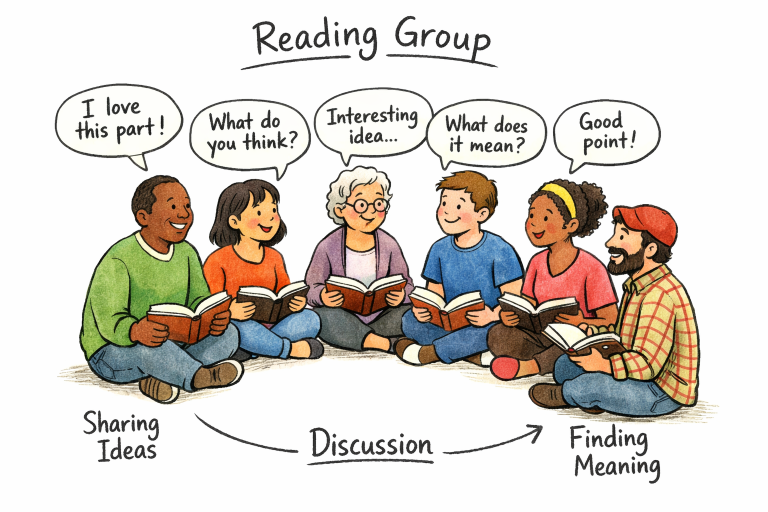
Book clubs and reading groups provide social spaces for discussion, reflection, and transformation. These gatherings help participants engage with challenging topics, move beyond surface-level interpretations, and understand differing opinions. They also foster a sense of community and shared purpose. By dismantling barriers and encouraging open dialogue, book groups play a critical role in both individual growth and collective awareness. The positive impact of such groups extends from the intimacy of living rooms to national television, as seen with initiatives like Oprah’s Book Club.


Digital Platforms and Literary Discourse
Technology has changed the ways in which readers connect with texts. Digital forums, online book clubs, and social media threads enable people from various backgrounds to participate in lively and accessible conversations about literature. The democratization of literary discussion ensures a broader sampling of voices and ideas, creating a more dynamic and inclusive exchange of perspectives. As a result, books are more likely to reach readers who may not have engaged with them otherwise, expanding their impact on society.
Measuring the Impact of Literature on Society
Assessing literature’s effect on social change involves both tangible and intangible markers. Shifts in public attitudes, legislative outcomes, and cultural dialogues provide some indication of influence. However, qualitative data, like testimonials, reader discussions, and content analyses, often reveal the nuanced ways that literature shapes values and inspires activism. Researchers, educators, and policymakers continue to seek ways to trace the ripple effects of iconic books on individual lives and entire communities.
Conclusion
Books have always been, and will continue to be, crucial catalysts for thoughtful conversation and social transformation. By connecting readers with diverse stories and fresh perspectives, literature challenges the status quo and inspires both reflection and action. As society faces new questions and opportunities, the written word remains a guiding force for collective understanding and enduring change.